Confused by Pimlico Rubbish Pricing? Transparent Cost Breakdown
Posted on 10/06/2026
If you have ever compared a few rubbish removal quotes and thought, "why does this one look twice as expensive?", you are not alone. Pimlico pricing can feel a bit opaque at first, especially when one provider charges by volume, another by load size, and a third adds extras for stairs, parking, or heavy items. This guide on Confused by Pimlico Rubbish Pricing? Transparent Cost Breakdown is here to make the numbers easier to read, so you can decide with a clear head rather than a vague hope that the cheapest quote will somehow be the best one.
We will break down what usually shapes the price, where hidden costs tend to creep in, how to compare quotes fairly, and which questions are worth asking before you book. If you are clearing a flat near the river, dealing with a garage full of clutter, or arranging a more involved job such as a loft or office clearance, the same principle applies: clarity saves money, time, and a fair bit of stress.
Why Transparent Pimlico Rubbish Pricing Matters
Rubbish removal sounds straightforward until you are presented with a quote that seems to change shape depending on what you ask. That is exactly why transparent pricing matters. In a place like Pimlico, where access can be tight, parking is often awkward, and many homes are in period buildings with stairs rather than lifts, the price is rarely just about the amount of waste. It is about the conditions around the collection too.
When pricing is clear, you can compare providers on like-for-like terms. You know what is included, what is excluded, and what might be added if the job turns out to be heavier, further upstairs, or more complex than first described. That kind of clarity helps whether you need rubbish collection in Pimlico, a bigger waste clearance service, or a one-off bulky item pickup after a move.
It also builds trust. Let's face it, nobody enjoys that awkward moment when a crew arrives and the final bill suddenly includes "extra handling" or "restricted access" charges nobody mentioned earlier. If a company explains those things from the outset, you are already in a better place.
Expert takeaway: transparent rubbish pricing is less about finding the cheapest quote and more about finding the quote that is honest, complete, and actually workable for your property.
For people planning a bigger clear-out, it can help to read related local guidance too, such as the practical advice in same-day bulky waste collection in Pimlico or the more location-specific notes in the Eccleston Square rubbish collection guide. Different streets, different access, different realities. That is just the London way, really.
How Pimlico Rubbish Pricing Works
Most local rubbish removal pricing is built from a handful of moving parts. You do not need to memorise industry jargon, but you do need to understand the main ingredients because that is where the final figure comes from.
1) Volume or load size
The biggest pricing driver is often how much waste needs to be removed. Some companies price by cubic yards or load fraction; others use van size tiers. This is why a small pile of mixed bags may cost far less than a bulky sofa, broken wardrobe, and a few heavy boxes. You are paying for space, labour, and disposal, not just the visible mess.
2) Waste type
Not all waste is treated equally. General household rubbish is usually simpler to handle than plasterboard, rubble, fridges, or mixed builders' waste. Furniture, white goods, garden cuttings, and office items can each affect the pricing differently because disposal routes and handling requirements vary. A mattress, for example, is not the same as a bag of cardboard, even if they both look like "just one item" to the person booking.
3) Access conditions
In Pimlico, access can be the hidden variable. Ground-floor jobs are usually simpler than third-floor walk-downs. Narrow hallways, no lift, limited parking, controlled access, and long carries to the vehicle can all affect the quote. This is not a trick, just the reality of working in central London.
4) Labour required
One person lifting a few bags is very different from a two-person team carrying a heavy sofa bed from a top-floor flat. More labour usually means more cost. If the team must disassemble furniture, move items carefully through a tight staircase, or sort mixed waste on-site, the job may take longer than it first appears.
5) Disposal and recycling charges
Once waste leaves your property, it still has to be processed responsibly. Disposal facilities, recycling sorting, and special handling all carry costs. Providers who take recycling seriously may structure their pricing differently, but that does not automatically make them more expensive overall. Sometimes it is the opposite, once the full job is understood.
6) Timing and urgency
Need a collection on the same day? Want a weekend slot? Need a quick turnaround after a tenancy handover? Urgency can affect the price. Not always, but often enough to be worth asking about. If timing matters, be open about it early so the quote reflects what you actually need.
For a broader overview of service formats, it can help to look at the local services overview and the company's approach to pricing and quotes. Even if you are only comparing options, that kind of page usually tells you a lot about how a provider thinks about pricing.
Key Benefits and Practical Advantages
The value of transparent pricing is bigger than people first expect. It is not just about avoiding surprise charges. It changes how you plan the whole job.
- Better budgeting: you can set aside the right amount before booking, which is useful if you are balancing moving costs, repairs, or end-of-tenancy admin.
- Fair comparisons: once the quote structure is clear, you can compare providers more honestly instead of just chasing the lowest headline figure.
- Less stress on the day: if access, loading time, or item type has already been discussed, collection day feels far less tense.
- Fewer disputes: clear terms cut down on awkward "I thought that was included" conversations. Nobody wants that after a long day.
- Better outcomes for complex jobs: bigger clearances, such as a house or office clearance, are much easier to manage when everyone understands the fee structure from the start.
There is also a practical environmental benefit. When a provider prices properly, they can plan sorting, reuse, and recycling more effectively. If sustainability matters to you, that is worth paying attention to. You may want to read the site's page on recycling and sustainability alongside the quote. The pricing and the disposal method should make sense together.
On the human side, transparency just feels better. You can make decisions without second-guessing every line item. A simple thing, but a real one.
Who This Is For and When It Makes Sense
This kind of pricing guide is useful for more people than you might think. If you are wondering whether you really need a professional collection or could just do it yourself over the weekend, the answer often depends on time, access, and the type of waste.
- Homeowners and tenants clearing out after a move, refurbishment, or seasonal declutter.
- Landlords and letting agents dealing with leave-behind items, end-of-tenancy clearances, or urgent turnaround jobs.
- Builders and contractors who need a straightforward route for mixed construction waste.
- Offices and small businesses that need desks, chairs, packaging, or old equipment removed without disrupting the day.
- Families handling a larger clearance where there is simply too much to shift safely in one go.
It also makes sense for anyone who has had a bad experience before. Maybe the price changed at the door. Maybe the vehicle was too small. Maybe the provider said "yes" to everything and then turned up unprepared. Those are exactly the situations where a better understanding of quote structure helps.
If you are dealing with furniture specifically, local service pages such as furniture removal in Pimlico and furniture disposal in Pimlico can help you see how item-based jobs are usually handled. For heavier household jobs, house clearance and loft clearance tend to have their own pricing logic too.
Step-by-Step Guidance
Here is a simple way to approach rubbish pricing without getting lost in the details.
Step 1: List what needs removing
Write down the items, bags, or materials as clearly as you can. A rough list is fine, but be specific. "A sofa, two armchairs, four black sacks, and a dismantled desk" tells a provider much more than "some rubbish".
Step 2: Separate item types
Split general waste from heavy or awkward items. Builders' rubble, garden cuttings, white goods, and furniture should usually be identified separately. This helps avoid a quote that looks low at first and then grows after a quick call-back.
Step 3: Think about access honestly
This one matters more than people realise. Is there a lift? Are there parking restrictions? Is the item on the third floor? Is the doorway narrow? The more honest you are here, the more accurate the price will be. And honestly, it saves everyone a headache later.
Step 4: Ask what is included
Does the quote include labour, loading, disposal, recycling, parking time, and VAT if applicable? If not, what is extra? Ask in plain language. You do not need to sound like a procurement manager. "What exactly am I paying for?" is a perfectly sensible question.
Step 5: Compare like for like
Two quotes that look similar on paper can be wildly different in practice. One may include everything; another may exclude heavy lifting or stair carry. Comparing only the headline price is where people get caught out.
Step 6: Check booking and payment terms
Read the payment process before you commit. A clear provider will explain how and when payment is taken, what happens if the job changes, and whether there are any cancellation terms. If you want reassurance on secure processing, the site's payment and security information is worth reviewing.
Step 7: Confirm the final scope before collection
On the day, walk through the items again if needed. That does not mean you need to over-explain every dust sheet and flowerpot. It just means everyone is aligned before loading starts.
Expert Tips for Better Results
After enough clear-outs, a few patterns become obvious. The people who get the smoothest, most predictable pricing usually do three things well.
- They provide photos early. A few clear pictures can make a quote much more accurate than a long phone description.
- They mention awkward access upfront. Stairs, basement items, tight entrances, parking limits - all of it matters.
- They ask about mixed waste before booking. Mixed loads often need more sorting, so it is better to raise that early.
Here is a simple one: if your job is borderline between two van sizes, ask the provider how they would price it if the load turns out slightly larger than expected. That small conversation can stop a lot of uncertainty later. It is the sort of thing people forget when they are rushing between work and a move, but it matters.
Another tip is to schedule the collection when the property is accessible and the route is clear. You would be surprised how much easier a job becomes when the hallway is not full of boxes and someone has actually moved the recycling bins. Little thing, big difference.
If the job is more specialised, like disposing of white goods or clearing a garden, use the relevant service page rather than guessing. For example, white goods and appliance disposal or garden waste removal will usually follow a different cost pattern from a mixed domestic load.

Common Mistakes to Avoid
This is where people tend to lose money, or at least lose patience.
- Choosing the lowest headline quote without checking what is included. Cheap can be expensive if extras appear later.
- Underestimating volume. A pile of "just a few bits" often turns into a larger load once everything is gathered together.
- Ignoring access issues. A tricky staircase or limited parking can alter the job significantly.
- Forgetting about special items. Mattresses, fridges, rubble, and commercial waste may have separate handling needs.
- Not asking about recycling or sorting. If you care about where the waste goes, ask before the collection, not after.
- Assuming all collections work the same way. A domestic collection is not the same as an office clearance or builders' waste job.
One small but common slip: people book a vehicle-based price but describe the job as if it were a tidy bin-bag collection, then wonder why the team flags a mismatch. To be fair, it happens all the time. The best fix is simple - describe the real job, not the idealised version of it.
If you are trying to decide between disposal methods, the article on the best disposal options near Pimlico Station gives a useful local angle on why one method may suit a quick job while another works better for larger loads.
Tools, Resources and Recommendations
You do not need fancy software to make sense of rubbish pricing, but a few simple tools help a lot.
- Photo set: take wide shots and close-ups of the waste, plus the route from the property to the street if access is awkward.
- Short item list: note the number of bags, furniture items, and anything unusually heavy.
- Questions list: write down the same three or four questions for every quote so you can compare answers fairly.
- Calendar reminder: if timing matters, keep a note of the earliest acceptable collection date and any building restrictions.
For readers who want more background on how the company presents itself, the about us page is useful for understanding the tone and the kind of service approach you can expect. And if compliance matters to you - it should - the waste carrier licence and compliance page is a sensible place to check how proper waste handling is described.
Sometimes people also want reassurance about safety and insurance before they book. Fair enough. For that, the site's insurance and safety information can help you judge whether a provider takes the practical side seriously, not just the sales side.
Law, Compliance, Standards, or Best Practice
Pricing is one thing, but lawful and responsible waste handling is the other half of the picture. In the UK, waste must be dealt with by a legitimate carrier and transferred responsibly. You do not need to become a compliance expert yourself, but you should expect any professional provider to handle waste lawfully and to be able to explain their process in plain English.
Best practice usually includes:
- clear description of what is being collected;
- accurate sorting of different waste types where needed;
- appropriate handling of recyclable materials;
- transparent payment terms;
- reasonable communication about access, timing, and any restrictions;
- respect for building rules, neighbours, and shared spaces.
For business customers, compliance matters even more because the load may involve confidential papers, office furniture, or mixed commercial waste. If that is your situation, the commercial waste removal and office clearance pages may help you see how those jobs differ from domestic work.
One important point: if a quote is unusually low, ask how the provider is managing disposal and compliance. A cheap job that cuts corners is not a bargain. It is a risk. And in waste work, risk tends to show up later, usually when you least want it.
Options, Methods, or Comparison Table
When people are confused about Pimlico rubbish pricing, the real choice is often not "which provider is cheapest?" but "which pricing method matches my job best?" This table should make that easier.
| Pricing method | Best for | Advantages | Watch-outs |
|---|---|---|---|
| Volume-based quote | Mixed household waste, furniture, general clear-outs | Flexible and usually easy to scale | Can be misunderstood if you underestimate the amount |
| Item-based pricing | Single bulky items such as sofas or appliances | Simple to understand for specific jobs | Extras may apply for awkward access or disassembly |
| Load-tier pricing | Jobs that fill part or all of a van | Good for comparing larger collections | Needs accurate volume estimates |
| Specialist clearance pricing | House clearances, lofts, offices, builders' waste | More tailored to complex jobs | More variables, so quotes can vary more |
There is no single best method for every job. A single fridge is a different conversation from a full flat clearance, and a bag of garden clippings is different again. The right method is the one that reflects the real work involved, not just the visible clutter.
Case Study or Real-World Example
A Pimlico resident clearing a two-bedroom flat might begin with what looks like a modest job: a worn sofa, an old wardrobe, a desk, several boxes, and a few bags of mixed household items. On paper, it sounds tidy enough. But once the team checks access, the picture changes a bit. The flat is on an upper floor, there is no lift, parking is tight, and the wardrobe needs to be broken down before it can be moved safely.
If the quote had been based only on the item list, it might have looked fine at first and then shifted later. Instead, once the access details were included early, the provider could give a more realistic price and send the right size team. That usually means fewer surprises and a much calmer day.
There was also a practical benefit here: because the client mentioned which items were reusable and which were mixed waste, the provider could sort the load more efficiently. The job took less back-and-forth, and the resident felt better knowing the clearance had not just been dumped into one vague category.
That is the pattern, really. Transparent pricing does not just save money. It helps the whole job land properly.
For a similar kind of local planning insight, the article on estate clearance tips for Churchill Gardens Pimlico is a useful example of how context, access, and item type affect the way a clearance is organised.
Practical Checklist
Use this before you request a quote or confirm a booking. It is simple, but it works.
- Make a list of all items to be removed.
- Separate general waste from furniture, appliances, and heavy materials.
- Note the property type and floor level.
- Check if there is a lift, parking access, or any building restrictions.
- Take clear photos of the items and access route.
- Ask what the quote includes and what might cost extra.
- Confirm whether recycling or sorting is part of the service.
- Ask about payment timing and cancellation terms.
- Verify the provider's approach to compliance and insurance.
- Reconfirm the job scope before collection day.
If you are dealing with a broader clear-out, you may also want to check domestic waste collection for everyday household loads or builders' waste disposal if your project includes rubble or renovation debris. Different waste types, different expectations. Simple as that.
Get a free quote today and see how much you can save.
Conclusion
Rubbish pricing in Pimlico can look confusing until you break it into the parts that actually matter: volume, waste type, access, labour, disposal method, and timing. Once you understand those pieces, the whole thing becomes much easier to judge. You are no longer staring at a number and hoping it makes sense. You are comparing a real service against a real job.
That is the key shift. Transparent pricing does not remove the complexity of waste removal, but it does make the complexity visible. And once it is visible, it is manageable.
So if you are planning a clear-out, take a few photos, ask the right questions, and choose the quote that is honest rather than clever. In the end, that is usually the one that feels best on the day and after it. Bit of calm goes a long way.
And if the whole process still feels a little messy, that is normal. The good news is that with the right breakdown, it gets clearer fast.
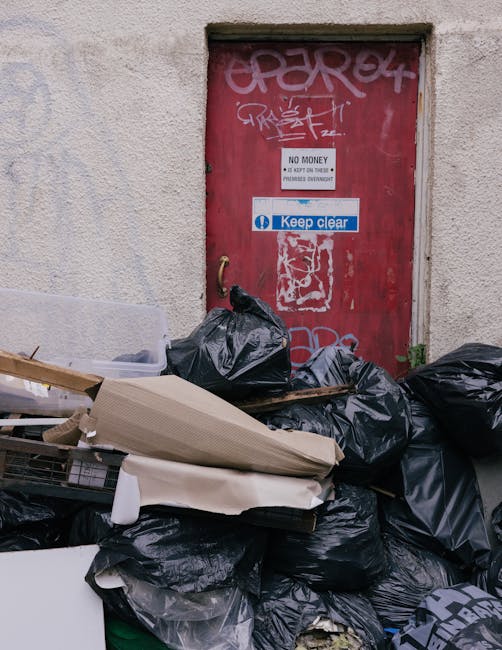


 Tipper Van - Waste Disposal and Junk Removal Prices in Pimlico, SW1
 Luton Van - Waste Disposal and Junk Removal Prices in Pimlico, SW1