Estate Clearance Tips for Churchill Gardens, Pimlico
Posted on 26/05/2026
If you are dealing with a flat or house in Churchill Gardens, Pimlico, estate clearance can feel like one of those jobs that starts small and suddenly takes over everything. There are documents to sort, furniture to move, items with emotional value to identify, and a deadline that may be tighter than you expected. The good news is that a calm, well-structured approach makes a huge difference.
This guide on Estate Clearance Tips for Churchill Gardens, Pimlico is designed to help you organise the process properly, avoid common mistakes, and make practical decisions about what to keep, donate, recycle, sell, or remove. It also explains how local access, building rules, and responsible waste handling can affect the job in real life. If you need broader background on local property matters while you are sorting a clearance, you may also find this quick guide to buying real estate in Pimlico and this overview of buying and selling in the area useful for context.
Estate clearance is not just about removing items. Done well, it protects the property, reduces stress, and helps you make better decisions under pressure. Done badly, it can lead to missed valuables, avoidable costs, and unnecessary hassle with disposal. Let's make it straightforward.

Why Estate Clearance Tips for Churchill Gardens, Pimlico Matters
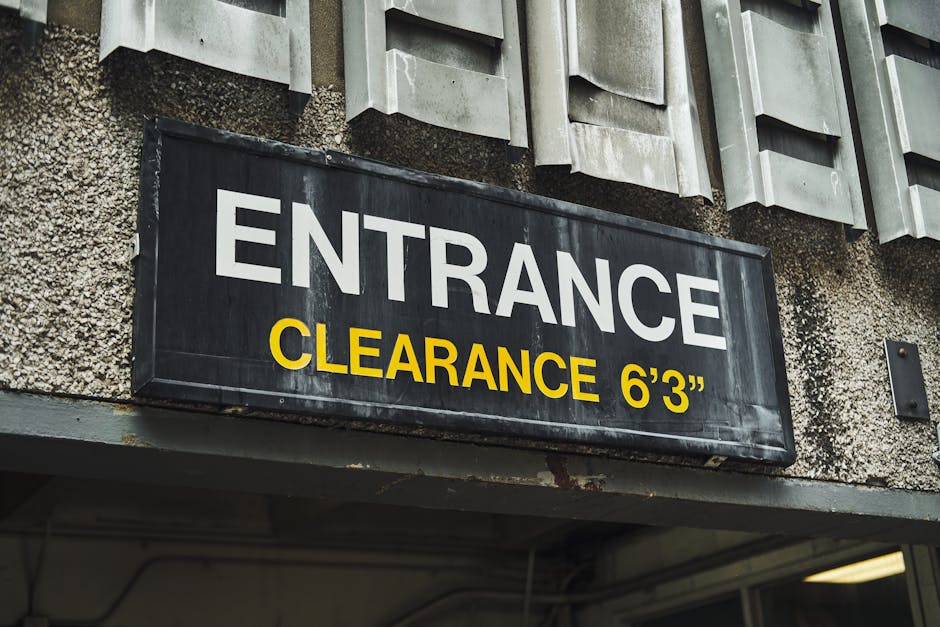
Churchill Gardens has the kind of housing mix where clearance work can be deceptively simple from the outside and surprisingly detailed once you get inside. Flats may have limited storage, shared entrances, lifts or stair access, and a need to keep communal areas tidy and unobstructed. Even a modest clearance can take longer than expected if items need to be carried through narrow corridors or down multiple floors.
That is why a proper plan matters. You are not only clearing space; you are managing time, access, safety, and sentiment at the same time. If the property is being prepared for sale or let, presentation also matters. A clean, empty, well-ordered space makes a much better impression than one left half-finished. For nearby area context and local character, the article on why Pimlico is such a distinctive London neighbourhood is a helpful read.
Another reason this topic matters is that estate clearance often arrives during an already difficult moment. It may follow a bereavement, a move into care, a property transfer, or a long-delayed downsizing decision. In those situations, speed is useful, but clarity is better. If you rush, you miss items, lose track of documents, or discard something with practical or sentimental value. Nobody wants to discover a passport, deeds, or a box of photographs in the wrong pile after the van has gone.
Expert summary: The best estate clearance in Churchill Gardens is rarely the fastest one. It is the one that balances sorting, safety, access, and disposal method without creating new problems.
How Estate Clearance Tips for Churchill Gardens, Pimlico Works
At its core, an estate clearance follows a simple pattern: assess the property, sort what is inside, decide what stays and what goes, then remove and dispose of items responsibly. The detail lies in how you do each step.
In practice, a good clearance usually starts with a walk-through. You identify which rooms, cupboards, lofts, and storage areas need attention. You also check for any access concerns, such as parking restrictions, stairs, bulky items, or the need to protect floors and walls. In Churchill Gardens, it is sensible to consider these logistics early rather than on the day itself.
From there, the property contents are usually divided into categories:
- Keep - important paperwork, personal belongings, valuables, or items being transferred to family.
- Sell - furniture, collectibles, or usable items with resale value.
- Donate - items in good condition that may help charities or community organisations.
- Recycle - materials that can be separated and processed correctly.
- Dispose - damaged, unusable, or unsalvageable waste.
That sounds obvious, but the order matters. If you start with disposal before checking cupboards and drawers, you increase the chance of throwing away something important. If you start with sentimental items without a system, you can lose half a day deciding whether to keep a mug, a lamp, or a letter from 1998. Truth be told, many clearances slow down at exactly that point.
A professional-style approach also includes responsible handling of bulky furniture and special items. For example, sofas and wardrobes may need furniture removal in Pimlico rather than simple bagged waste collection. Older appliances may need separate treatment through white goods and appliance disposal. If the clearance includes a larger pile of mixed items, a broader waste clearance service in Pimlico may be the most practical route.
Key Benefits and Practical Advantages
Estate clearance done properly offers more than a tidy room. It creates momentum and reduces friction at a time when too many things may already feel uncertain.
- Less stress: A clear plan reduces decision fatigue and helps you work room by room instead of reacting to everything at once.
- Better recovery of valuables: Sorting slowly and methodically makes it easier to find documents, jewellery, cash, photos, and keepsakes.
- Cleaner sale or let presentation: Empty, well-ventilated rooms photograph better and are easier for agents, buyers, or landlords to assess.
- Safer working conditions: Removing clutter reduces trip hazards and makes it easier to move through the property safely.
- More responsible disposal: Recycling and reuse can reduce landfill waste and help items have a second life.
- Faster completion: A structured clearance usually shortens the time the property remains in limbo.
There is also a financial angle. It is easy to overlook, but a careful clearance can reduce the cost of replacing overlooked items, prevent damage to the property during rushed removal, and sometimes even recover value from goods that would otherwise be thrown away. If you want to understand how a service is typically packaged, the page on services overview is a useful starting point, and for budgeting questions the pricing and quotes page can help set expectations.
Who This Is For and When It Makes Sense
Estate clearance is not just for inherited properties, although that is a common reason. It can make sense in several practical situations.
- Families handling a bereavement: When a home needs to be cleared sensitively and fairly.
- Executors and solicitors: When the property must be prepared for valuation, sale, or transfer.
- Older residents downsizing: When moving from a larger home or flat into more manageable accommodation.
- Landlords and agents: When a tenancy ends and contents need removing before re-marketing.
- Property sellers: When a cluttered home needs to be emptied for viewings or refurbishment.
- Owners dealing with long-term accumulated items: Sometimes the job is less about an estate in the formal sense and more about clearing a property that has simply become overloaded over time.
It also makes sense when timing is tight. Maybe the sale completion date is approaching. Maybe the council or building management has requested the communal area stays clear. Or perhaps you simply want to avoid the kind of situation where every room becomes "the room we will sort next weekend" for three months. We have all seen that one.
If the clearance is tied to an office, rental property, or business premises rather than a home, the same principles apply but the category changes. In those cases, it may be more appropriate to look at office clearance in Pimlico or broader commercial waste removal.
Step-by-Step Guidance
The easiest way to stay in control is to treat estate clearance as a sequence of small decisions, not one giant task.
1. Start with a room-by-room survey
Walk through the property and note what is in each room, cupboard, loft, or storage space. Make a rough list of bulky items, fragile items, paperwork, and anything that might need special handling. If access is awkward, note that now. It is much better to know in advance that the sofa will not turn the corner in one piece.
2. Separate documents and personal papers first
Before touching furniture or general waste, pull aside paperwork, IDs, utility letters, tenancy records, financial files, keys, and any legal or property documents. These often hide in drawers, between books, or inside envelopes in unlikely places. Keep a single secure folder for them.
3. Make four clear sorting zones
Set up spaces for keep, sell/donate, recycle, and dispose. Label bags or boxes if needed. The point is not to create perfect museum-level organisation; it is to avoid mixing categories and having to re-sort later.
4. Remove valuables and sentimental items separately
Jewellery, watches, family photographs, medals, artwork, and small collections should be handled with care. Keep them together and do not place them in mixed rubbish piles. If multiple family members are involved, this is the moment to agree who decides what stays with whom.
5. Tackle bulky furniture next
Once small high-value items are safe, move on to beds, wardrobes, tables, chairs, and cabinets. This is often where clearance becomes physically demanding, especially in flats with tight access. If the furniture is still usable, consider reuse or donation. If not, use a proper disposal route such as furniture disposal in Pimlico.
6. Deal with appliances and mixed waste
Fridges, freezers, washing machines, and similar items are often best handled separately because they may need specialist loading and recycling. For general clutter, mixed rubbish, and bagged waste, rubbish collection in Pimlico can be a practical option.
7. Finish with a final sweep
Check cupboards, loft hatches, under beds, behind curtains, and on top of wardrobes. The final sweep is where people often recover the things they needed most. It is also where you notice the missing set of keys or a folder that should never have been left in a kitchen drawer.
Practical rule: if you are unsure whether to keep an item, set it aside for a later decision rather than forcing an instant answer.
Expert Tips for Better Results
The difference between a smooth clearance and a stressful one often comes down to small habits.
- Work from least emotional to most emotional: Begin with obvious rubbish, duplicate items, or storage areas. Leave personal belongings and family mementoes for later when your attention is sharper.
- Use photos before moving items: If family members are abroad or not available in person, photos help them make decisions without second-guessing every box.
- Measure access before moving bulky items: Door widths, stair turns, lift sizes, and parking access can all affect the day's plan.
- Keep one "hold" pile: This prevents a decision bottleneck. Not everything needs to be resolved immediately.
- Choose reuse before disposal where sensible: Good-condition items are often better suited to donation or resale than landfill.
- Protect the property: Use coverings for floors and be careful with walls, bannisters, and communal areas, especially in shared buildings.
- Get clarity on costs early: Ask what is included, whether loading is part of the price, and how specialist items are handled.
If you want a closer look at responsible handling and the standards behind it, the page on waste carrier licence and compliance is worth reading. For service standards and operational reassurance, insurance and safety also gives useful peace of mind.
One practical observation from real-world clearances: people often underestimate the number of small items that take up time. A single chair is quick. Thirty books, twelve kitchen drawers, and a box of cables from three different decades are another matter entirely.
Common Mistakes to Avoid
Most clearance problems are avoidable. The same issues come up repeatedly.
- Starting without a sorting system: If everything goes into the nearest bag, you create confusion later.
- Discarding paperwork too early: Important documents can be buried in ordinary-looking piles.
- Ignoring access constraints: A lift booking, parking restriction, or narrow staircase can delay the whole job.
- Assuming all waste is the same: White goods, furniture, and general rubbish may need different treatment.
- Leaving the last sweep until after collection: This is how treasured items get left behind.
- Forgetting the communal space: In blocks of flats, hallways and entrances must remain clear and tidy.
- Choosing the cheapest option without checking what is included: Low headline prices can hide extra charges or limited service scope.
Another common mistake is emotionally overestimating what a room is worth keeping "just in case." To be fair, that is understandable. But if the item has sat unused for years, it may be better to let it go with a clear conscience.
Tools, Resources and Recommendations
You do not need a warehouse of equipment, but a few simple tools make a big difference.
- Strong refuse sacks and sturdy boxes
- Labels or marker pens for sorting categories
- Gloves for handling dusty or sharp items
- Furniture blankets or covers for protection
- Basic cleaning supplies for the final sweep
- Phone camera for documenting items or room contents
- Folder or wallet for documents, keys, and IDs
For larger clearances, it also helps to think beyond the immediate task. If you need a mix of removal and general disposal, the wider waste disposal service in Pimlico can be useful. If the property includes any outdoor area or leftover planting debris, garden waste removal may also be relevant.
For people who want to understand the wider local context before arranging work, the site's about us page and the resident-focused piece on insights from Pimlico residents can help build a better picture of the area and how local services fit into everyday life.
Law, Compliance, Standards, or Best Practice
Estate clearance often touches regulated waste handling, property access, and data privacy, so it is worth being careful. You do not need to become a legal expert, but you should follow sensible UK best practice.
Use a licensed waste carrier. If items are being removed professionally, the operator should be able to show that they are authorised to carry waste. This matters because fly-tipping or improper disposal can create problems for the property owner if the waste is handed to the wrong person.
Ask about disposal destinations. Reputable firms should be willing to explain how items are reused, recycled, or disposed of. If sustainability is important to you, the page on recycling and sustainability is relevant and reassuring.
Keep personal information secure. Old bank statements, medical letters, tax documents, tenancy files, and identity papers should be handled carefully and not simply binned without thought. Shredding or secure disposal may be more appropriate.
Check building rules and access permissions. In apartment settings, you may need to consider lift usage, parking, loading times, or management company rules. Clear communication prevents avoidable delays.
Follow safety guidance. Heavy lifting, broken glass, dust, mould, and awkward staircases are all common clearance risks. If an item looks unsafe or too heavy to move, do not improvise. That is how backs are strained and floors get damaged.
For more on operational standards, the pages covering terms and conditions, privacy policy, and payment and security may also help if you are booking a service and want to understand how the process is handled.
Options, Methods, or Comparison Table
There is no single "best" method for every estate clearance. The right choice depends on time, item condition, access, and how much you want to handle yourself.
| Method | Best for | Pros | Things to watch |
|---|---|---|---|
| DIY clearance | Small properties or light loads | Lower direct cost, full control | Time-consuming, physically demanding, disposal logistics on you |
| Partial self-clearance with professional support | When you want to keep valuables and handle sorting yourself | Good balance of control and convenience | Still requires planning and time |
| Full clearance service | Large or urgent clearances, limited access, or sensitive situations | Fast, efficient, less stress | Cost depends on volume, access, and item type |
| Mixed approach with resale/donation first | When some items have value or reuse potential | Can offset costs and reduce waste | Needs more coordination and decision-making |
If you have furniture to move separately, compare whether furniture removal or a more general clearance route makes sense. For larger domestic jobs, a dedicated house clearance in Pimlico may be the cleaner solution, while loft-heavy properties might be better served by loft clearance.
Case Study or Real-World Example
Imagine a two-bedroom flat in Churchill Gardens that needs to be cleared after a family transition. The property has a narrow entrance, a lift that cannot take oversized furniture, and a deadline because the flat must be prepared for viewing.
The family starts by identifying personal papers, photographs, and jewellery. Those items are removed first and stored securely. Next, they sort kitchen items, books, and small household goods into donation, keep, and disposal groups. One wardrobe is kept because it is in good condition; a damaged bed frame and an old appliance are flagged for removal. A few boxes of books are donated, and general clutter is set aside for collection.
Because access is tight, the family checks timing, parking, and the route through the building before the removal date. They also take photos of the rooms before the last sweep, which helps confirm nothing important is left behind. The result is a cleaner property, fewer last-minute decisions, and a much smoother handover.
That kind of process is not dramatic, but it works. And in estate clearance, working matters more than looking clever.
Practical Checklist
Use this checklist as a quick final check before any clearance begins.
- Confirm who has authority to sort and remove items
- Identify all rooms, cupboards, lofts, and storage spaces
- Separate valuables, documents, and sentimental items first
- Decide what will be kept, donated, sold, recycled, or disposed of
- Check access, parking, lift use, and any building restrictions
- Measure any bulky items that may need special handling
- Arrange boxes, labels, gloves, and protective materials
- Choose the appropriate disposal or removal service
- Ask about licensing, insurance, and payment terms
- Do a final room-by-room sweep before collection
- Photograph cleared rooms if needed for records or estate administration
- Leave communal areas clean and unobstructed
If you are ready to act, the practical next step is to compare service options, review the scope of work, and request a clear quote before anything is lifted.
Conclusion
Estate clearance in Churchill Gardens, Pimlico is easier when you treat it as an organised process rather than a single exhausting job. Start with documents and valuables, sort room by room, plan access carefully, and use the right disposal route for each type of item. That approach saves time, protects property, and reduces the emotional strain that often builds during a clearance.
It also gives you more control. Instead of rushing through decisions, you can move methodically and confidently, which is exactly what most families and property owners need. Whether the aim is to prepare a flat for sale, manage a loved one's belongings, or simply clear a property properly, a calm plan always beats a frantic one.
If you want a smooth, well-managed result, combine careful sorting with professional support where needed and keep compliance, safety, and reuse in mind from the start. A good clearance should feel decisive, not chaotic.
Get a free quote today and see how much you can save.



 Tipper Van - Waste Disposal and Junk Removal Prices in Pimlico, SW1
 Luton Van - Waste Disposal and Junk Removal Prices in Pimlico, SW1