Household Waste Sorting Rules in Pimlico SW1
Posted on 04/07/2026
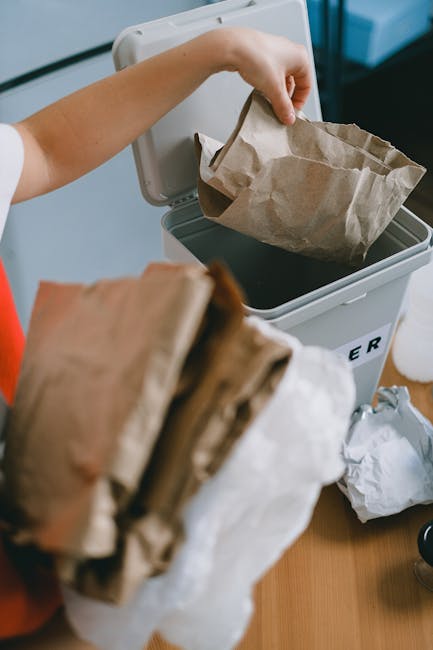
Household Waste Sorting Rules in Pimlico SW1: A Practical Local Guide
If you live, rent, or manage a flat in Pimlico SW1, household waste sorting can feel oddly fiddly at first. One day you are standing in a narrow kitchen with three bags, a half-empty yoghurt pot, and a box from last night's delivery, wondering what goes where. The next day you are trying to remember whether food tins should be rinsed, whether broken glass is recyclable, and what to do with an old kettle. This guide to Household Waste Sorting Rules in Pimlico SW1 is designed to make all of that feel simpler, calmer, and much more manageable.
We will walk through the basics, explain how sorting usually works in a busy inner-London area like Pimlico, and cover the most common mistakes that lead to contamination, missed collections, or awkward overfilled bins. You will also find practical tips for flats, shared homes, landlords, and anyone trying to keep waste handling tidy without turning it into a weekend project. Let's face it, nobody wants rubbish to become the hardest part of the week.
Expert summary: In Pimlico SW1, the smartest approach is simple: separate waste early, keep recycling clean and dry, treat food and garden waste carefully, and use the right route for bulky, electrical, or specialist items.
- Why household waste sorting rules matter in Pimlico SW1
- How household waste sorting works
- Key benefits and practical advantages
- Who this is for and when it makes sense
- Step-by-step guidance
- Expert tips for better results
- Common mistakes to avoid
- Tools, resources and recommendations
- Law, compliance, standards, or best practice
- Options, methods, or comparison table
- Case study or real-world example
- Practical checklist
- Conclusion
- Frequently asked questions
Why Household Waste Sorting Rules in Pimlico SW1 Matters
Waste sorting is not just about being tidy. In a neighbourhood like Pimlico, where many homes are in mansion blocks, converted flats, and shared buildings, the way waste is separated has a real knock-on effect. If one person puts the wrong thing in the wrong bag, it can affect a whole collection point. That is frustrating for residents and awkward for building managers too.
There is also a local reality to consider: pavement space is tight, bin stores can be cramped, and the timings of collections matter more than people think. A bag left out too early can become a nuisance. A badly sorted recycling sack can turn into rejected material. And once contamination starts, it often spreads through the whole pile. That is the bit that catches people out.
In practical terms, good sorting helps with three things: cleaner shared spaces, fewer collection problems, and a better chance that recyclable material actually gets recycled. If you have ever opened a communal bin room on a warm afternoon, you know why this matters. The smell alone tells the story.
It also supports the wider sustainability efforts discussed in the recycling and sustainability approach used across the area. Even small habits, repeated daily, can make a big difference in dense parts of Westminster.
How Household Waste Sorting Rules in Pimlico SW1 Works
At a simple level, waste sorting means separating items by type before they go out for collection or disposal. In most homes, that means keeping general rubbish apart from recyclables, food waste, and anything bulky, hazardous, or electrical. The exact containers and collection arrangements may differ by property type, but the logic is the same.
In Pimlico SW1, a typical home may need to think in categories rather than just "bin" and "not bin." That sounds more complicated than it is. Once you set up a system, it becomes second nature. A few small containers in the kitchen, a clear label on the recycling tub, and a separate bag for food scraps can save loads of confusion later.
Here is the basic way most households should think about it:
- General waste: items that cannot be recycled or composted through your normal household system.
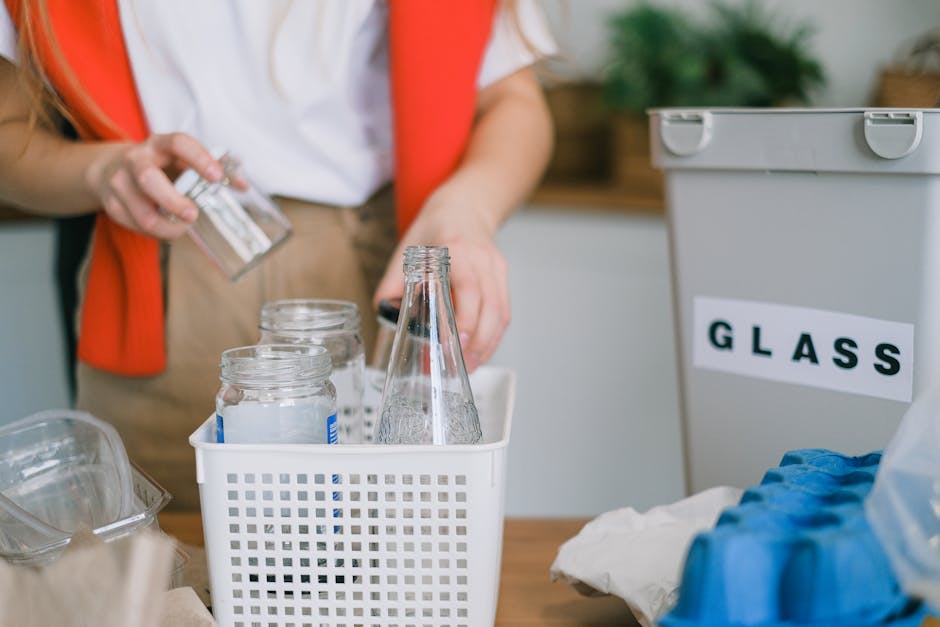
- Recycling: clean, dry materials such as common paper, cardboard, plastic packaging, cans, and glass where accepted.
- Food waste: leftovers, peelings, tea bags, coffee grounds, and other organic kitchen waste if your home has a food-waste route.
- Bulky items: furniture, mattresses, and large objects that need a separate collection or specialist disposal.
- Electricals and white goods: items like kettles, lamps, toasters, fridges, washing machines, and similar appliances.
- Special waste: batteries, paint, chemicals, and sharp items that need extra care.
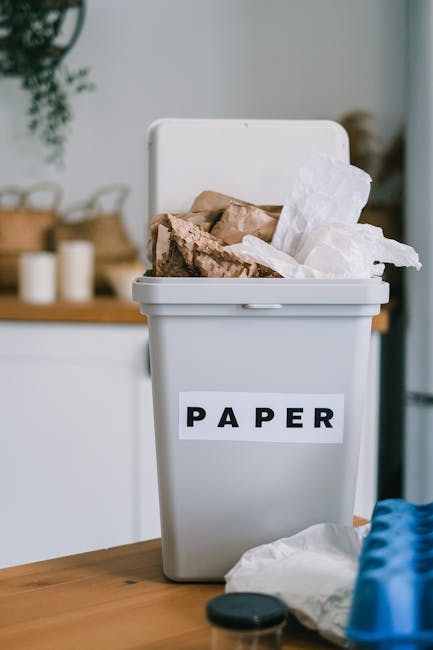
For many residents, the easiest starting point is to build a simple sorting station at home. One container for dry recycling. One for general waste. One for food scraps if needed. That alone clears up a surprising amount of everyday mess.
If you are dealing with a full property clear-out, a move, or a tenancy change, it can also help to look at domestic waste collection in Pimlico alongside broader options such as waste clearance in Pimlico. Those routes are useful when normal household bins simply are not enough.
Key Benefits and Practical Advantages
The upside of sorting waste properly is bigger than most people expect. Yes, it helps with compliance and collection efficiency, but the day-to-day wins are often what people remember.
Cleaner homes and cleaner bin areas. When waste is separated properly, smells reduce, leaks are easier to control, and bin stores stay less chaotic. That matters in compact Pimlico buildings where everyone shares the same space.
Fewer rejected items. A mixed bag with food, plastic film, and general rubbish can spoil recycling that would otherwise be fine. Cleaner sorting usually means fewer mistakes, which is a relief for everybody.
Better use of collection services. When items are pre-sorted, it is easier to choose the right collection route. That can be especially helpful if you are booking rubbish collection in Pimlico for an overflow situation or a one-off tidy-up.
Less stress during life changes. Moving home, downsizing, refurbishing, or clearing a relative's flat all become easier when you are not trying to sort everything at the last minute.
More responsible disposal. Good sorting supports reuse and recycling, and that means less material heading to disposal routes that should really be a last resort.
To be fair, the biggest benefit is often mental. A home feels calmer when the waste system is under control. That sounds small, but it really isn't.
Who This Is For and When It Makes Sense
This guide is for almost anyone living or working in a domestic setting in Pimlico SW1, but some groups will find it especially useful.
- Flat owners and tenants who use shared bin stores and need a simple system that works in limited space.
- Landlords and letting agents who want fewer bin-related complaints between tenancies.
- Households with children where waste builds up quickly and needs a routine.
- Older residents who prefer clear, low-effort systems rather than constant sorting decisions.
- People moving in or out of Pimlico properties, where leftover packaging and old household items pile up fast.
- Anyone dealing with a bulky clear-out after redecorating, renovating, or replacing furniture.
It also makes sense if your current system is not working. Maybe the bins are always overfilled. Maybe recycling gets contaminated every week. Maybe someone in the building keeps putting the wrong items in the wrong place. The solution is not usually heroic. It is usually clearer labelling, better separation, and a slightly better routine.
If the issue is bigger than a normal bin problem, a broader service like house clearance in Pimlico may be more appropriate, especially after a move, bereavement, or major declutter. And if you are just shifting a few awkward items, furniture disposal in Pimlico can be the cleaner option.
Step-by-Step Guidance
Let's keep this practical. Here is a straightforward way to manage household waste sorting without overthinking it.
- Start with a weekly reset. Empty kitchen bins, check what is building up, and remove anything that does not belong in general waste.
- Set up separate containers. Use small bins or tubs for recycling, food waste, and general rubbish. If space is tight, stackable containers help.
- Clean and dry recycling items. You do not need to scrub everything spotless, but empty packaging should not be half-full of sauce or liquid.
- Flatten cardboard. This saves space and makes collection easier. A flat box is much more manageable than a floppy tower of packaging.
- Keep food waste separate. Do not mix it with recycling. Food contamination is one of the most common reasons recycling goes wrong.
- Store electricals separately. Batteries, cables, chargers, and small appliances should not be thrown in with normal rubbish.
- Check bulky items early. If something is too large for the bin, plan a collection or disposal route before it becomes a hallway obstacle.
- Take out waste at the right time. In shared blocks, timing matters. Bags left too early can attract attention, pests, or complaints.
A tiny real-world example: a family in a Pimlico flat with two children switched to a three-container kitchen setup after repeatedly mixing packaging with general waste. Within a couple of weeks, the bin area was visibly tidier, and the recycling bag no longer felt like a mystery box. Nothing dramatic. Just less hassle.
If you are clearing more than household leftovers, it can help to compare disposal routes. waste disposal in Pimlico suits a mixed load, while white goods and appliance disposal in Pimlico is the better fit for fridges, cookers, washing machines, and similar items.
Expert Tips for Better Results
People often assume waste sorting is all about remembering rules. In practice, it is more about designing a home system that is hard to mess up.
Make sorting visible. If recycling and rubbish look the same from across the kitchen, mistakes happen. Use different containers or obvious labels.
Keep a "questionable items" box. If you are not sure where something goes, place it in a small holding box and deal with it once a week. That avoids bad snap decisions when you are tired.
Rinse lightly, not obsessively. A quick rinse is usually enough for packaging. You do not need to use a full dishwasher cycle on a yoghurt pot. Let's not go that far.
Do not let soft plastics drift into recycling unless you are certain they are accepted. Bags, cling film, and wrappers are common troublemakers. If in doubt, keep them separate.
Think in pairs: clean versus dirty, small versus bulky, dry versus wet. Those simple distinctions help more than complicated charts.
Watch for seasonal clutter. Christmas packaging, summer garden waste, or post-move cardboard can change your waste pattern quickly. When the volume changes, your sorting setup may need a reset too.
For shared buildings, agree house rules. A bin room works best when everyone is on the same page. One polite notice can save a lot of quiet irritation.
If you want a service-oriented view of the local setup, the services overview and about us pages offer a useful sense of how a professional waste provider may support the process when household sorting alone is not enough.
Common Mistakes to Avoid
Most sorting mistakes are small, but they add up. Here are the ones we see most often.
- Putting food-stained packaging in recycling. A greasy pizza box edge or half-full jar can spoil other recyclable material.
- Mixing batteries with rubbish. This is risky and avoidable. Batteries need proper handling.
- Overfilling bags. Overstuffed bags split, leak, and create a mess at collection time.
- Treating all plastics the same. Not every plastic item belongs in the same stream.
- Leaving bulky items in communal areas. That quickly becomes a nuisance and can look like fly-tipping.
- Forgetting about hidden waste. Items under sinks, in lofts, or at the back of cupboards often get missed until the place is almost packed up.
One common Pimlico scenario is the "I'll deal with it later" bag. It starts as a bit of packaging and ends up sitting by the front door for three days. We have all done it, or close enough. The cure is simple: sort at source and make the next step obvious.
If you are dealing with repeated overflow or an awkward build-up, loft clearance in Pimlico and office clearance in Pimlico can help when domestic waste problems are really part of a bigger clear-out.
Tools, Resources and Recommendations
You do not need fancy equipment to sort waste properly, but a few simple tools can make the whole thing easier.
| Tool or Item | Why It Helps | Best For |
|---|---|---|
| Small kitchen caddy | Keeps food scraps separate and easy to empty | Homes with food-waste collection |
| Labelled recycling tub | Reduces confusion and cross-contamination | Shared kitchens and family homes |
| Collapsible cardboard box | Useful for flattening packaging before disposal | Moves, deliveries, and deliveries-heavy households |
| Battery storage jar | Keeps small hazardous items away from general rubbish | Everyday households |
| Heavy-duty refuse sacks | Reduces tearing when rubbish is dense or awkward | General waste and clear-outs |
For larger jobs, a professional collection can save time and reduce the risk of handling mistakes. If that is where you are headed, the pages on furniture removal in Pimlico, garden waste removal in Pimlico, and builders waste disposal in Pimlico are especially relevant depending on what you are clearing.
You may also find it helpful to review pricing and quotes if you are trying to compare the likely cost of different waste solutions. That tends to be where practical decisions get made, honestly.
Law, Compliance, Standards, or Best Practice
Waste sorting at home is mainly a practical matter, but it sits within a wider framework of local collection practices, duty of care principles, and responsible disposal expectations. You do not need to become a compliance expert to do the right thing, thankfully, but it does help to know the basics.
As a resident, the main expectation is simple: present waste in a way that does not contaminate recyclables, does not create a nuisance, and does not put others at risk. If you hand waste to a carrier or arrange a private collection, you should also be confident that the disposal route is legitimate. That is one reason it matters to choose providers with clear compliance information.
For example, if you are comparing external help for a one-off job, it is sensible to check the provider's approach to waste carrier licence and compliance and to read the insurance and safety information too. Those details are not glamorous, but they are part of sensible decision-making.
Best practice also means keeping anything hazardous or unusual separate from standard household waste. That includes batteries, chemicals, sharp objects, and certain electricals. If you are unsure, err on the cautious side. It is better to pause and sort properly than to throw it into the nearest bag because you are in a hurry.
There is also a broader community angle. Poorly sorted waste can lead to spillages, smells, unwanted pests, and fly-tipping pressure near bin areas. If you want a fuller local perspective, avoid-flytipping advice for Sutherland Street and what to do when a rubbish pickup is missed are both useful related reads.
Options, Methods, or Comparison Table
Different waste situations call for different methods. Here is a clear comparison that helps with everyday decisions.
| Method | Best For | Pros | Watch Outs |
|---|---|---|---|
| Routine household sorting | Daily kitchen and home waste | Low effort, sustainable, easy to maintain | Needs consistency and a little habit-building |
| Bulky item collection | Furniture, mattresses, large household items | Convenient for oversized waste | Needs planning and correct item preparation |
| Appliance disposal | Fridges, washing machines, cookers, kettles | Safer for electrical and heavy items | May require specific handling |
| Full property clearance | Moves, probate, deep decluttering | Efficient for mixed loads | Needs careful sorting of special items |
| Commercial-style collection for household overflow | Unexpected large volumes | Useful when bins are not enough | Only suitable when genuinely needed |
If you are not sure which route fits your situation, think about volume first, then risk, then convenience. A half-filled bin is one thing. A broken wardrobe, a stack of packaging, and an old washing machine is another story entirely.
For people comparing practical routes near stations and busy streets, the article on best disposal options near Pimlico Station gives a helpful local lens.
Case Study or Real-World Example
Here is a realistic Pimlico example based on the kind of scenario people face all the time.
A couple living in a first-floor flat near Eccleston Square had a recurring problem: the communal bin store kept overflowing on Mondays. Their recycling was mixed with general rubbish, cardboard was left unflattened, and food packaging was going into the wrong bag. Nothing outrageous, just a slow build-up of small errors.
They made three changes. First, they added a small under-sink caddy for food waste. Second, they created a labelled box for recycling and flattened cardboard as it came in. Third, they set a Sunday evening five-minute reset for emptying what had built up during the week. That was it.
Within a short period, the bin area was less messy, fewer bags were being rejected, and their weekly routine felt more predictable. It was not glamorous, and nobody threw a party about it. But it worked.
Later, when they replaced an old sofa and a broken microwave, they chose a separate collection route rather than trying to force everything into the household bins. That choice saved time and stopped the hallway from becoming a storage zone for unwanted stuff. A tiny win, but a real one.
That is usually the pattern in Pimlico: simple systems beat heroic efforts. Every time.
Practical Checklist
Use this quick checklist to keep your household waste sorting on track.
- Have you separated general waste from recyclables?
- Are food scraps stored apart from dry recycling?
- Have you flattened cardboard and empty packaging?
- Are batteries, bulbs, and electrical items kept out of normal bins?
- Do you know which items are too bulky for routine collection?
- Have you checked whether any item is contaminated, wet, or greasy?
- Is your bin area clean, closed, and easy to use?
- Have you planned a separate route for furniture, appliances, or clear-outs?
- Are shared-house rules clear to everyone in the property?
- Do you know where to turn if you need a one-off disposal solution?
If you tick most of those off, you are already ahead of the curve. Really, that is enough for most homes.
Get a free quote today and see how much you can save.
Conclusion
Household Waste Sorting Rules in Pimlico SW1 do not need to be complicated. The core idea is straightforward: separate waste early, keep recyclables clean, treat food and special waste carefully, and choose the right disposal route when the rubbish is bigger than your bins can handle. Once you build a simple routine, the whole thing becomes much less annoying.
That matters in Pimlico because homes are often compact, collections can be shared, and small mistakes spread fast. A tidy waste system keeps your home calmer and your building easier to live in. Not perfect. Just better. And sometimes that is exactly what people need.
If you are dealing with a larger clear-out, a mixed load, or an awkward item that does not belong in the bin, support is available through local services and practical guidance. Start small, stay consistent, and do not worry about getting everything right on day one.
In a busy neighbourhood, good waste habits are one of those quiet things that make life feel smoother. You notice it most when it is working well.


 Tipper Van - Waste Disposal and Junk Removal Prices in Pimlico, SW1
 Luton Van - Waste Disposal and Junk Removal Prices in Pimlico, SW1